The business landscape is in constant flux, driven by rapid technological advancements, evolving consumer behaviors, and a growing emphasis on global challenges. In this dynamic environment, the traditional MBA curriculum is also transforming. Aspiring business leaders today need specialized knowledge to navigate complex markets and drive innovation. This shift means that choosing the right MBA specialization is no longer just about enhancing existing skills; it’s about positioning yourself for the most in-demand and future-proof career paths.
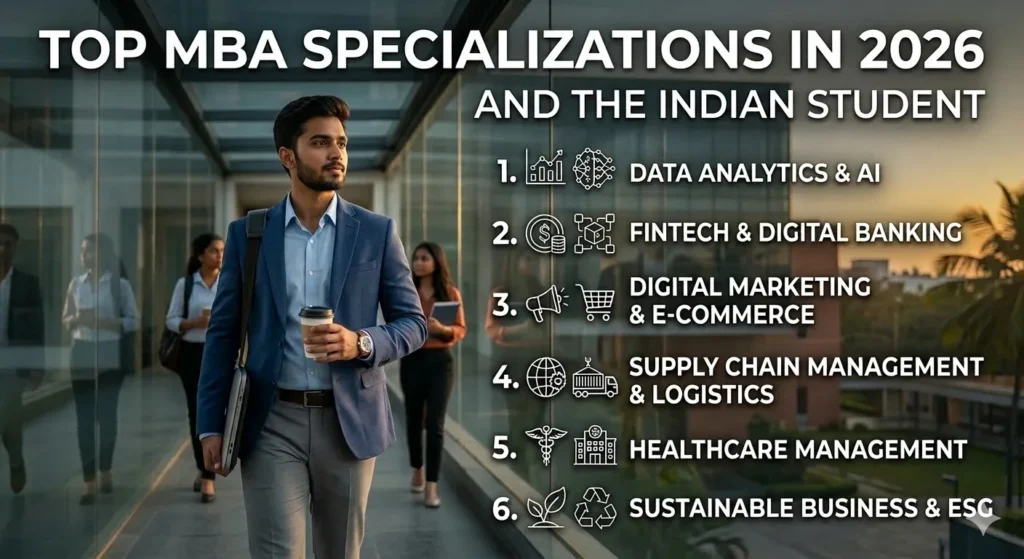
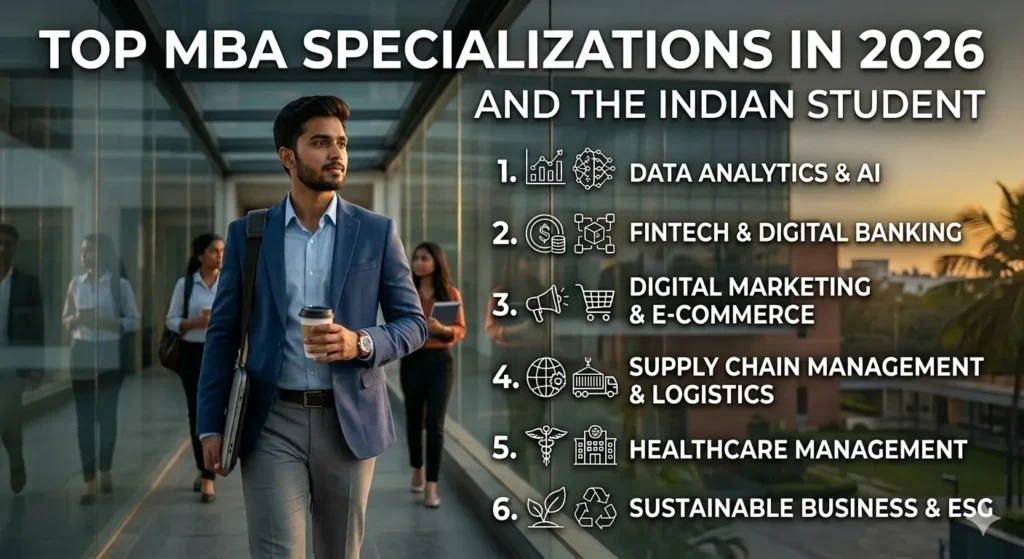
As we look at the MBA specializations list for 2026, it’s clear that fields integrating technology, data, and sustainability are experiencing unprecedented growth. While foundational areas like Finance and Marketing remain important, their modern iterations are deeply intertwined with digital tools and analytical rigor. Understanding which MBA fields are fastest-growing can provide a significant advantage, guiding your academic and career decisions toward areas with strong employer demand, exciting opportunities, and substantial earning potential. This guide explores the top 10 fastest-growing MBA fields, offering insights into their focus, career prospects, and why they are shaping the future of business.
The Shifting Landscape of MBA Specializations
The business world of 2026 is a far cry from what it was even a decade ago. The digital revolution, accelerated by global events, has fundamentally reshaped how businesses operate, interact with customers, and manage their resources. Artificial intelligence (AI) is no longer a futuristic concept but a practical tool integrated into everyday business functions. Supply chains have become more complex and vulnerable, demanding greater resilience and strategic oversight. Simultaneously, sustainability and Environmental, Social, and Governance (ESG) principles are moving from the periphery to the core of corporate strategy, driven by regulatory pressures, investor expectations, and consumer demand.
Top business schools worldwide, including those in India, have recognized these shifts. While they continue to offer robust training in traditional business disciplines, there’s a clear pivot towards incorporating cutting-edge topics. This evolution means MBA programs are now offering more specialized tracks that dive deep into technology, data-driven decision-making, and sustainable business practices. Employers are actively seeking graduates with these specialized skills, leading to a surge in demand for specific MBA specializations. This trend is reflected in placement statistics, where graduates from tech-focused and analytics-driven programs often command higher salaries and secure roles in high-growth sectors. The choice of specialization is now as critical as the degree itself, acting as a powerful accelerant for career progression.
Understanding “Fastest-Growing” in MBA Fields
When we talk about the “fastest-growing MBA fields,” we’re referring to specializations that are experiencing the most significant increases in employer demand, job openings, and strategic importance. This growth isn’t solely about the highest salaries, though that’s often a consequence. Instead, it signifies areas where businesses are investing heavily, creating new roles, and prioritizing talent development. These fields typically emerge at the intersection of core business principles with emerging trends like technology, data science, and sustainability.
The mid-2020s have seen a clear pattern: specializations that equip graduates with skills in data analysis, AI implementation, digital transformation, and sustainable business practices are leading the pack. These are not entirely new disciplines but rather advanced, specialized applications of business knowledge that address current and future market needs. While traditional fields like Finance and Marketing remain vital, their modern iterations are increasingly integrated with analytics, digital tools, and sector-specific innovations, reflecting the broader trend of specialization.
1. Business Analytics and Big Data
The ability to interpret and leverage data is no longer a niche skill; it’s a fundamental requirement for success in virtually every industry. Business Analytics and Big Data specializations equip MBA graduates with the expertise to transform raw data into actionable insights. This involves mastering statistical modeling, predictive analytics, and proficiency in tools like Python, SQL, and Tableau.
Companies across sectors are investing heavily in analytics teams to understand customer behavior, optimize operations, forecast market trends, and make informed strategic decisions. This widespread adoption makes Business Analytics one of the most in-demand and high-growth MBA tracks. Graduates can pursue roles such as Analytics Manager, Data Strategist, Business Intelligence Analyst, and Data Consultant. The demand for these skills is projected to continue its upward trajectory as businesses become increasingly data-dependent.
2. Artificial Intelligence (AI) and Machine Learning (ML) in Business
Artificial Intelligence and Machine Learning are rapidly moving from theoretical concepts to practical business applications. An MBA specialization in AI and ML focuses on the strategic implementation, ethical deployment, and business management of these technologies. This field bridges the gap between technical AI capabilities and tangible business value.
As AI and ML become more integrated into finance, retail, manufacturing, and service industries, there’s a growing need for managers who can understand and translate these complex technologies into profitable business strategies. Roles in this domain include AI Consultant, ML Strategy Lead, and AI Product Manager. The demand for professionals who can effectively manage AI initiatives and drive innovation through automation and intelligent systems is expanding at an unprecedented pace.
3. FinTech and Digital Business
The financial services industry is undergoing a profound transformation driven by technology. FinTech, or Financial Technology, and Digital Business specializations focus on areas like digital payments, blockchain technology, neobanking, and the broader digital transformation of financial services. This field is fueled by the increasing digitization of financial transactions and the growing consumer adoption of online platforms.
MBA graduates specializing in FinTech are well-positioned for roles in digital banking, payment processing companies, blockchain startups, and investment firms focused on technology. The rapid growth of e-commerce and digital payment systems worldwide, particularly in emerging markets, ensures a sustained demand for professionals who understand both finance and technology. This specialization offers a direct path to careers at the forefront of financial innovation.
4. Sustainability and ESG (Environmental, Social, Governance)
Sustainability is no longer just a buzzword; it’s a critical component of modern business strategy. MBA programs with a focus on Sustainability and ESG are preparing leaders to address climate change, promote ethical business practices, and ensure corporate social responsibility. This includes areas like climate finance, impact investing, green strategy development, and ESG reporting.
Regulatory pressures, investor demand for responsible investments, and growing consumer awareness are compelling companies to prioritize sustainability. This has led to the creation of dedicated leadership roles focused on ESG initiatives. Graduates can find opportunities as Sustainability Officers, ESG Analysts, Impact Investment Managers, and Corporate Social Responsibility Managers. The strategic importance of sustainability ensures this field will continue to grow in demand.
5. Healthcare Management
The healthcare sector is a massive and complex industry facing continuous challenges and opportunities. MBA specializations in Healthcare Management prepare professionals to lead and manage healthcare organizations effectively. This involves understanding health policy, hospital operations, pharmaceutical business strategies, and the intricacies of health systems.
With aging populations worldwide, advancements in health technology, and ongoing reforms in healthcare systems, the need for skilled management professionals is escalating. Graduates can pursue roles such as Healthcare Administrator, Hospital Operations Manager, Health Policy Analyst, and Pharmaceutical Business Manager. This specialization offers a path to a stable and impactful career in a sector that is always in demand.
6. Digital Transformation and IT Management
In today’s business environment, digital transformation is not an option but a necessity for survival and growth. MBA specializations in Digital Transformation and IT Management focus on guiding organizations through technological change. This includes managing IT infrastructure, leading digital initiatives, and overseeing the strategic implementation of new technologies.
As more companies become “software-enabled,” the demand for MBAs who can manage technology roadmaps, lead digital product development, and ensure seamless IT operations is soaring. Roles in this area include Digital Transformation Lead, IT Director, Chief Information Officer (CIO), and Product Manager. These specializations are crucial for businesses aiming to stay competitive in an increasingly digital world.
7. Product Management
Product Management is a critical function that bridges the gap between business strategy, technology development, and customer needs. An MBA specialization in Product Management equips individuals with the skills to define product vision, develop roadmaps, and lead cross-functional teams to bring successful products to market. This role is vital in both tech companies and traditional businesses undergoing digital innovation.
The rapid pace of innovation across industries means that companies need skilled product managers to identify market opportunities, understand user requirements, and guide product development cycles. Graduates can find roles as Product Managers, Senior Product Managers, and Group Product Managers. This specialization offers a dynamic career path with significant influence over a company’s offerings and market success.
8. Supply Chain and Operations Management
The global supply chain disruptions experienced in recent years have highlighted the critical importance of efficient and resilient operations. MBA specializations in Supply Chain and Operations Management focus on optimizing logistics, procurement, inventory management, and production processes. This field is essential for businesses that rely on the movement of goods and services.
Companies are increasingly investing in supply chain resilience and efficiency to mitigate risks and reduce costs. This has led to a surge in demand for professionals who can manage complex global supply networks. Typical roles include Supply Chain Manager, Operations Director, Logistics Manager, and Procurement Specialist. This specialization offers a direct impact on a company’s bottom line and operational effectiveness.
9. International Business
In an increasingly interconnected world, understanding global markets and cross-border operations is more important than ever. MBA specializations in International Business prepare graduates to navigate the complexities of global trade, foreign exchange, international marketing, and diverse legal and cultural landscapes.
As Indian companies expand their global footprint and multinational corporations continue to invest in India, professionals adept at managing international business operations are highly sought after. This specialization opens doors to roles such as Export Manager, International Business Strategist, Global Operations Manager, and Trade Analyst. It’s an ideal path for those seeking a career with a global perspective.
10. Entrepreneurship and Innovation
For aspiring business leaders who dream of launching their own ventures or driving innovation within established organizations, an MBA in Entrepreneurship and Innovation is invaluable. This specialization focuses on developing skills in venture creation, startup ecosystems, design thinking, business model innovation, and growth hacking.
India’s vibrant startup ecosystem, coupled with a growing emphasis on intrapreneurship within larger corporations, makes this a highly relevant field. Graduates can become founders, join early-stage startups in business development or product roles, or work in venture capital firms. This specialization fosters a mindset of creativity, risk-taking, and strategic execution essential for building and scaling new ventures.
Choosing Your Path: Factors to Consider
Selecting the right MBA specialization is a pivotal decision that can shape your entire career trajectory. While the “fastest-growing” fields offer exciting opportunities, it’s essential to align your choice with your personal strengths, interests, and long-term career aspirations.
Consider the job market outlook for each specialization. Research current placement statistics from top business schools, paying attention to the industries and roles that graduates are entering. Fields like Business Analytics and AI/ML often show strong demand across various sectors, while others might be more concentrated in specific industries.
Assess your own aptitude and interests. Are you drawn to data and quantitative analysis, or do you prefer strategic thinking and creative problem-solving? Do you have a passion for technology, sustainability, or global markets? Your genuine interest will be a significant driver of your success and job satisfaction.
Evaluate the curriculum and faculty expertise. Look for programs that offer in-depth coursework, hands-on projects, and faculty with relevant industry experience. Specializations that incorporate practical learning, such as case studies, simulations, and internships, provide invaluable real-world exposure.
Finally, consider the long-term career potential and ROI. While starting salaries are important, think about the growth trajectory and earning potential over five to ten years. Some specializations might offer a higher entry salary but a slower growth path, while others might have a slightly lower starting point but significant long-term upside.
The Evolving Role of Traditional MBA Fields
It’s important to note that traditional MBA specializations like Finance, Marketing, and Human Resources Management are not becoming obsolete. Instead, they are evolving and integrating with the emerging trends. For instance, a Finance specialization today often includes a strong component of FinTech and financial analytics. Marketing programs are heavily focused on digital marketing, consumer analytics, and brand strategy in the digital age. Similarly, HR is increasingly incorporating people analytics and diversity and inclusion strategies.
These foundational fields continue to offer stable career paths and strong earning potential. However, to remain competitive, graduates from these areas must also develop skills in data analysis, digital tools, and an understanding of broader business trends like sustainability and AI. The most successful MBA graduates often possess a blend of foundational business knowledge and specialized, in-demand skills.
Conclusion
The landscape of MBA specializations is dynamic, with fields like Business Analytics, AI/ML, FinTech, and Sustainability rapidly gaining prominence. These areas are experiencing high demand from employers due to their direct impact on business growth, innovation, and adaptation to global challenges. Choosing a specialization that aligns with these trends can significantly enhance career prospects, offering exciting opportunities and strong earning potential.
While these emerging fields are critical, traditional specializations are also adapting, incorporating new technologies and analytical approaches. Ultimately, the best MBA specialization for you will depend on your personal career goals, strengths, and interests. By carefully considering the evolving market demands, program offerings, and your own aspirations, you can make an informed decision that sets you on a path to a successful and fulfilling career in the modern business world.